
DUI Laws By State
Find Out How Tough the DUI Laws are in Your State

Drunk Driving Laws
Drunk driving laws vary greatly from state to state, for example if a person lives in Colorado and was stopped and arrested for DWI in Texas, it is not safe to assume that the DUI laws in Colorado are the same as the DWI laws Texas. For that reason it is extremely important that a person know the state specific drunk driving laws for the state they were arrested in. This applies to every aspect of a DUI from the fines and jail time to the DUI class or program you are required to complete.
The charges a person maybe facing will also vary greatly depending upon the circumstances surrounding the drunk driving arrest. Someone facing a first offense charge in any state will pay smaller fines, receive a shorter driver’s license suspension or revocation period, spend less time in jail and may or may not have to install an ignition interlock device on their vehicle in order to obtain a restricted license or just to reinstate their license at the end of their suspension or revocation period versus someone who is facing a second or third offense drunk driving charge. Also depending on the state the person may not be required to obtain an SR22 insurance filing to get their driver’s license reinstated.
DUI Laws and Penalties By State
Under Age Drinking and Driving
Every state has what is referred to as a “Zero Tolerance” law when it comes to under age drinking and driving. The zero tolerance law will vary slightly from one state to another, some state’s zero tolerance law will state that anyone under the age of 21 who has any measurable amount of alcohol in their system will be arrested for drunk driving.
Then in other states the zero tolerance law will state that anyone under the age of 21 who is found to have a blood alcohol concentration of .02% or greater will be arrested for drunk driving.

Most states will also not issue a restricted or hardship license to a person under 21 during their suspension or revocation period, meaning that they will have to wait until the entire suspension or revocation period has lapsed before they will be able to reinstate their driver’s license.
The state specific laws regarding under age drinking and driving can be found on each state’s individual law page, just click on the link for your state above.
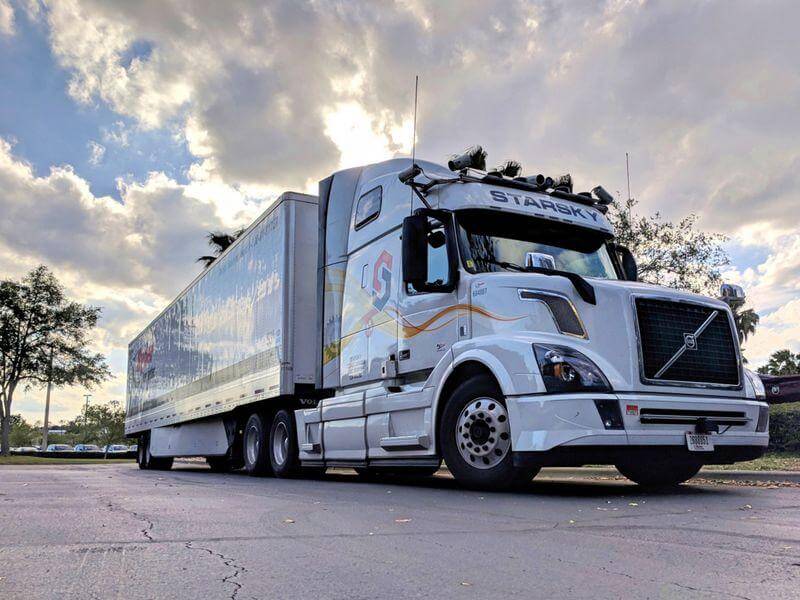
Commercial CDL and DUI Laws
Every state has specific laws regarding commercial motor vehicle drivers and drinking and driving. In any state, if a CMV driver is stopped on suspicion of DUI and is found to have a blood alcohol concentration of .04% or greater, they will be arrested for driving under the influence.
If a CMV driver is stopped and found to have a blood alcohol concentration of less than .04%, the officer who initiated the stop will issue the driver an “out-of-service” ticket that will not allow the driver to drive for the next 24 hours.
The CDL suspension and revocation periods for driving a CMV while under the influence are very strict and in most states you will face a minimum 1-year suspension or revocation for a first offense charge. The suspension or revocation period will be elevated if you were hauling hazardous materials, in this case a first offense charge will typically result in a 3-year suspension or revocation of your CDL.
No state offers a restricted license for a CDL. To find out your state’s law regarding CDL and DUI just click on your state link up the page.
Drunk Driving Classifications
Even though DUI is the most common classification for drunk driving, not every state uses DUI or driving under the influence when it comes to drunk driving convictions and arrests.
The following states use the term DUI: Alabama, Arizona, California, Colorado, Connecticut, Delaware, Florida, Georgia, Hawaii, Idaho, Illinois, Kansas, Kentucky, Maryland, Massachusetts, Michigan, Mississippi, Montana, Nebraska, Nevada, New Hampshire, North Dakota, Oklahoma, Oregon, Pennsylvania, South Carolina, South Dakota, Tennessee, Utah, Vermont, Virginia, Washington, West Virginia and Wyoming.
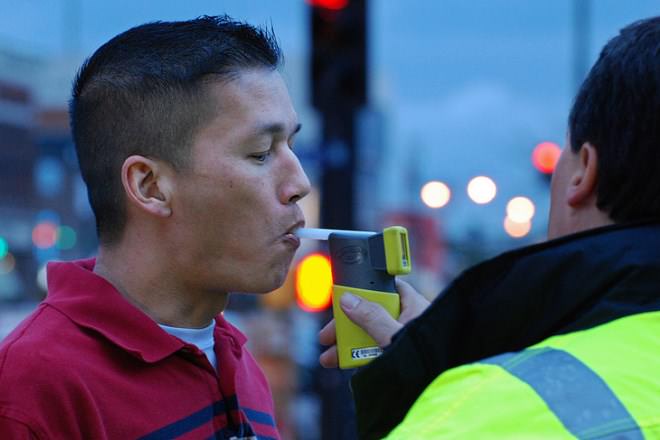
It is not safe to assume that DUI is the only classification for drunk driving in these states, for example in Colorado or New York you may also be arrested and charged with DWAI, which stands for driving while ability impaired. DWAI is a lesser charge than DUI, meaning that your blood alcohol concentration was between .05% and .079% at the time of the arrest. The sanctions against one’s driving privilege are also less for a DWAI charge.
Not as many states recognize the term DWI, which stands for driving while intoxicated. There are also certain states like Minnesota or New Mexico that only use the term DWI for drunk driving convictions. The states that use DWI are: Alaska, Arkansas, Louisiana, Minnesota, Missouri, New Jersey, New Mexico, New York, North Carolina and Texas.
OUI or operating under the influence is a term used in the states of Maine and Rhode Island. OVI or operating a vehicle while impaired is a term used in Ohio. OWI or operating while intoxicated is a term used in Indiana, Iowa and Wisconsin.
There are also certain states that will use the term “OMVI” or operating a motor vehicle intoxicated. “OUID” or operating under the influence of drugs is used in some states. “OUIL” or operating under the influence of liquor is also used in a few states.
So as you can see just because someone is considered DUI in one state, does not necessarily mean that a person arrested for drunk driving in another state is necessarily facing a DUI charge.
We have made every attempt to provide you with the most complete and accurate drunk driving law pages on the Internet today. Each page will also contain links to other necessary, need to know information and resources that a person convicted of or facing a drunk driving charge would need to know. So click on your state above to find all of the information regarding that state’s drunk driving laws and other valuable resources.